Source Audi CCE Auto Engine Assembly for Cars, Trucks, and Buses
Compare 30 listings for the audi cce auto engine assembly from verified suppliers. Buyers can review specifications like cylinder count, fuel type, and emission standards to find suitable parts for automotive applications; compare the available evidence and request quotations based on your requirements.
Key considerations
Products List





Comprehensive Sourcing Guide
Audi CCE Auto Engine Assembly Sourcing Guide
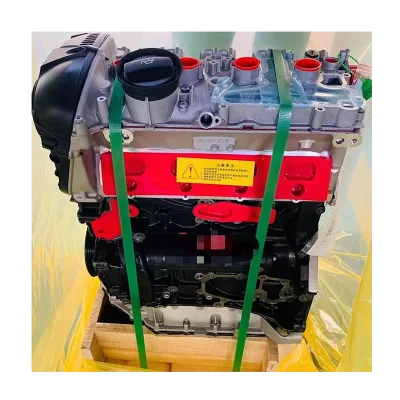
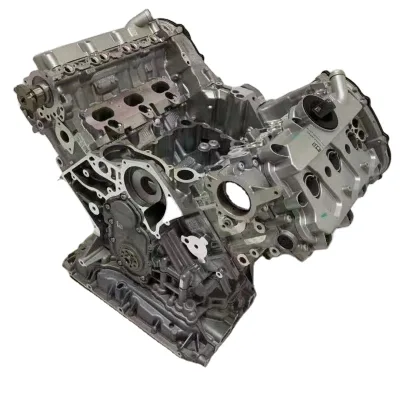
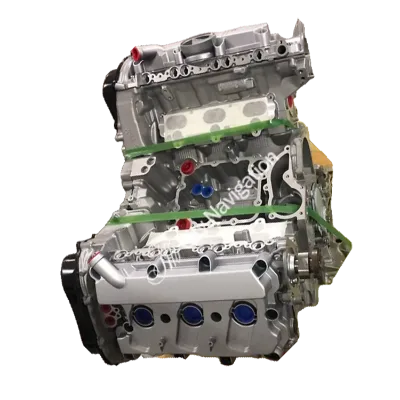
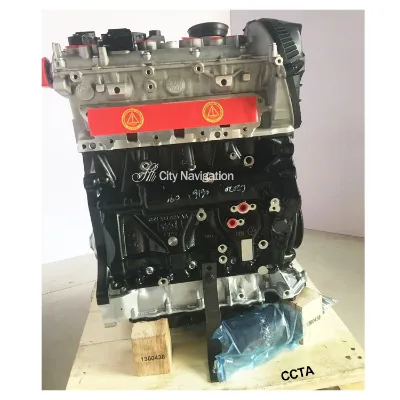
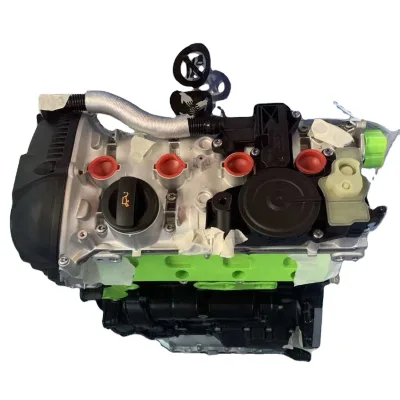
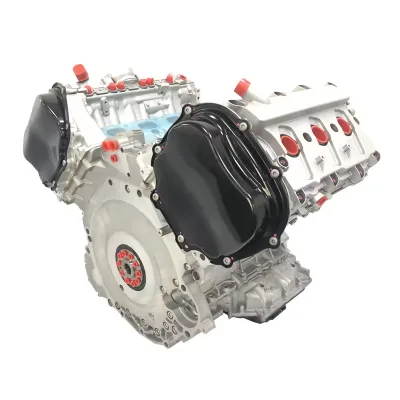
Procuring an Audi CCE auto engine assembly requires a disciplined approach to verifying component compatibility and mechanical integrity. Buyers must recognize that "CCE" often refers to specific engine codes or assembly variants, such as the 2.8L V-type configurations found in certain Audi models. The market presents a mix of single-cylinder and multi-cylinder units, with some listings specifying four-cylinder arrangements. This variance necessitates rigorous cross-referencing of part numbers like 06E100032S or 06L100860X against the target vehicle’s VIN. Sourcing decisions should prioritize assemblies that match the exact displacement and cylinder count to avoid costly installation errors.
The procurement landscape for these assemblies includes both brand-new and tested units, with suppliers offering various packaging options from neutral boxes to wooden crates. Lead times typically range from seven to fifteen weekdays, though some suppliers extend this to thirty-five days depending on stock availability. Buyers should assess whether the supplier offers OEM/ODM services, which can be crucial for custom modifications or specific fleet requirements. Understanding the distinction between electric motor types and gasoline engine assemblies is vital, as some listings may conflate different powertrain technologies. Clear communication with suppliers regarding the specific model year and engine code is essential to secure the correct assembly.
Product Scope and Observed Listing Signals
The observed product range for Audi CCE engine assemblies spans a wide price spectrum, typically between four hundred and six thousand three hundred USD. This variation reflects differences in cylinder configuration, material composition, and included accessories. Listings frequently highlight aluminum or steel body materials, indicating variations in durability and weight characteristics. Buyers should note that some products are described as hydraulic power units or electric motors, which may suggest auxiliary components rather than the primary combustion engine. Careful scrutiny of the product title and description is necessary to distinguish between complete engine blocks and individual components like cooling cylinders or ignition systems.
Minimum order quantities (MOQ) are generally low, often starting at one piece, which facilitates sampling and small-scale procurement. However, buyers should verify if stock availability impacts the ability to order single units, as some suppliers require pre-ordering for non-stock items. The observed lead times of seven to fifteen weekdays suggest a manufacturing or refurbishment process rather than immediate off-the-shelf availability. Some listings mention a daily capacity of one thousand pieces, implying significant production volume, but this should be validated against actual order fulfillment capabilities. Understanding these signals helps buyers set realistic expectations for delivery schedules and inventory management.
Technical Specifications to Verify
Verifying technical specifications is critical to ensuring the engine assembly meets the vehicle’s operational requirements. Key attributes to confirm include the cylinder arrangement, such as L-form or V-type, and the stroke type, which is typically four-stroke for these engines. Buyers must also verify the cooling method, with water-cooled systems being standard for modern Audi engines. The ignition mode, often electric, and the fuel type, usually gasoline, must align with the vehicle’s existing infrastructure. Additionally, the discharge standard, such as Euro V, indicates the emission compliance level, which is crucial for regulatory adherence in various markets.
Part numbers serve as the primary identifier for compatibility, with codes like AEB, C6 2.8T CCE, and AUDI CAS appearing in listings. Buyers should cross-reference these codes with official Audi service manuals to ensure exact match. The weight of the assembly, ranging from ninety-nine to one hundred two point five kilograms, can impact shipping costs and vehicle balance. Furthermore, the distinction between single-cylinder and multi-cylinder units must be clarified, as some listings may be ambiguous. Confirming the model number, such as 06E100039M, ensures that the internal geometry and mounting points are compatible with the target chassis.
Compliance and Safety Documentation
Compliance with emission standards is a primary concern when sourcing engine assemblies, particularly for vehicles intended for regulated markets. The Euro V standard is mentioned in some listings, indicating a baseline for exhaust gas quality. Buyers should request documentation proving that the assembly meets the specific emission tier required by their local jurisdiction. This may include certificates of conformity or test reports from accredited laboratories. Ensuring that the engine’s discharge standard aligns with legal requirements prevents potential fines and operational restrictions.
Safety documentation should also cover the structural integrity of the engine block and its components. Buyers should verify that the assembly has undergone rigorous testing, as indicated by claims of being "100% tested" or "high-quality." While specific test results are not always provided, suppliers should be able to describe the quality control processes employed. This includes checks for leaks, pressure resistance, and mechanical wear. Additionally, buyers should ensure that the assembly does not contain hazardous materials that violate environmental regulations, such as certain heavy metals in the casting process.
Cost Drivers and Commercial Terms
Several factors influence the final cost of an Audi CCE engine assembly, including the material composition, cylinder count, and level of customization. Aluminum bodies may command a premium due to their lighter weight and corrosion resistance, while steel options might be more cost-effective. Customization services, such as OEM/ODM modifications, can significantly increase the price but offer tailored solutions for specific applications. Buyers should also consider the packaging costs, as wooden box packaging provides better protection but adds to the overall expense.
Commercial terms, including lead time and warranty, play a crucial role in the total cost of ownership. A lead time of seven to fifteen weekdays is standard, but expedited shipping may incur additional fees. The warranty period, typically twelve months, provides a safety net against early failures, but buyers should clarify the terms of coverage. After-sales service, such as 24-hour online support, can reduce downtime and maintenance costs. Buyers should negotiate clear terms for returns and replacements to mitigate the risk of receiving defective units.
Supplier Qualification and Quality Control
Supplier qualification is essential to ensure the reliability of the engine assembly supply chain. Buyers should verify the supplier’s production capacity, with some claiming a daily output of one thousand pieces. This capacity should be matched with the buyer’s volume requirements to ensure consistent supply. Additionally, the supplier’s location, often China, should be considered in terms of logistics and import regulations. Buyers should assess the supplier’s reputation and history in the automotive parts industry to gauge their reliability.
Quality control processes are a key differentiator among suppliers. Buyers should inquire about the testing procedures used to verify the assembly’s condition, such as being "brand-new" or "100% brand new." Some suppliers offer sample availability, which allows buyers to inspect the product before committing to a larger order. The use of neutral packaging may indicate a focus on cost reduction, but it should not compromise the protection of the assembly during transit. Buyers should establish clear quality acceptance criteria and conduct random inspections to ensure consistency.
Long-Term Procurement Checks
Long-term procurement success depends on establishing a robust relationship with suppliers and implementing continuous monitoring. Buyers should track the performance of the engine assemblies in the field, noting any issues related to durability or compatibility. Regular feedback to suppliers can help identify and resolve recurring problems, leading to improved product quality over time. Additionally, buyers should stay informed about changes in emission standards and technological advancements that may affect future procurement decisions.
Inventory management is another critical aspect of long-term procurement. Buyers should maintain a buffer stock of critical components to mitigate the risk of supply chain disruptions. The availability of samples and the ability to order single units can facilitate this strategy. Furthermore, buyers should regularly review commercial terms and pricing to ensure they remain competitive. By maintaining a proactive approach to supplier management and quality assurance, buyers can secure a reliable supply of Audi CCE engine assemblies for their operations.
FAQs
What is the lead time for audi cce auto engine assembly orders?
The lead time ranges from 7 to 15 weekdays for standard orders. Some items may require up to 35 days depending on stock availability. This duration ensures quality checks are completed before shipment to your location.
Can I customize the audi cce auto engine assembly specifications?
Customization is available for this engine assembly to meet specific requirements. Buyers can request modifications to fit their vehicle models. The manufacturer supports OEM and ODM services for tailored production needs.
What is the minimum order quantity for this engine assembly?
The minimum order quantity is one piece if the item is in stock. Some listings indicate a flexible MOQ of one unit for immediate availability. Bulk orders may have different terms based on supplier capacity.
Which certification standards does the engine assembly meet?
The product meets standard discharge and emission requirements including Euro V standards. It undergoes 100% testing to ensure high quality before delivery. Certification is standard for all units supplied by the manufacturer.
How is the audi cce auto engine assembly packaged for shipping?
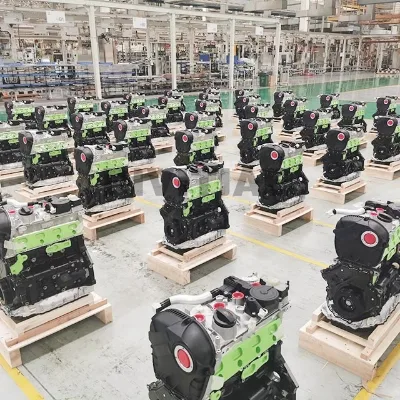
Items are packed in wooden boxes to ensure safe transport. Some variations may use neutral packaging depending on the specific model. This packaging protects the engine during international shipping to various destinations.
What warranty is provided for the engine assembly purchase?
A standard warranty of 12 months is provided for the engine assembly. This covers defects and ensures reliability for the buyer. After-sales service includes 24-hour online support for any technical inquiries.
Can I get a sample of the engine assembly before bulk order?
Samples are available if the specific model is currently in stock. Buyers can request a single unit to verify quality before committing to larger orders. This option helps ensure the product meets your specific needs.